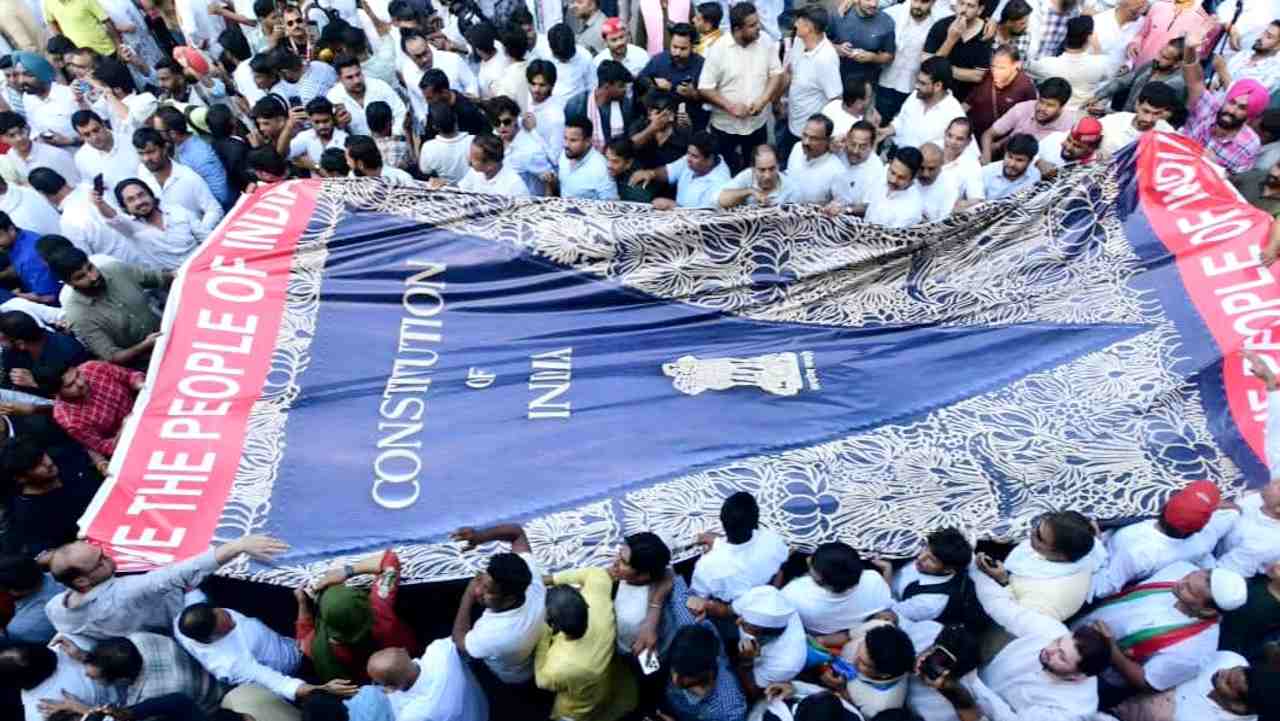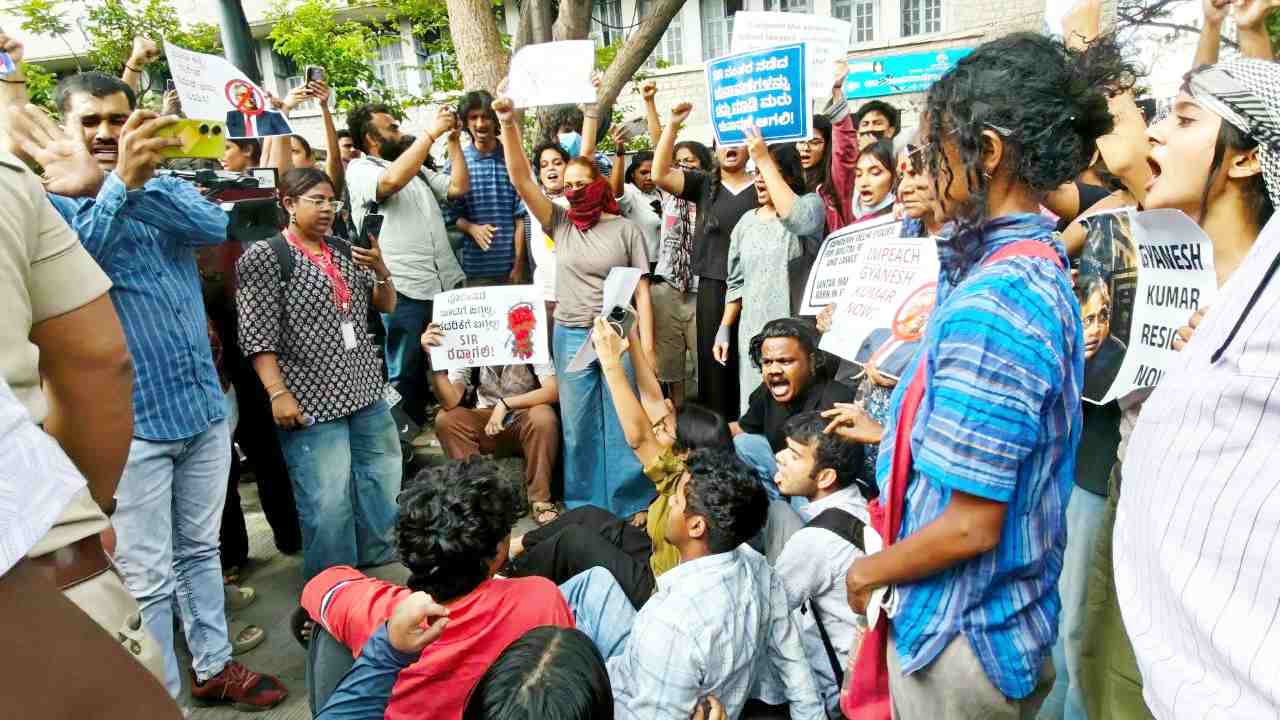

For years the Modi government, the Sangh brigade IT Cell and the Godi Media seemed to have perfected the art of creating fancy labels to influence and instigate the public against perceived internal enemies. From 'tukde tukde gang' to 'urban naxal', from anti-national to andolanjeevi, they just had to coin new terms and the media and public opinion seemed to be lapping them up. But the times have changed. The CJI used the word cockroach for the unemployed youth, later 'clarifying' that he only had lawyers with fake degrees in mind, only to invite the CJP backlash. A word used as a disparaging abuse for India's youth triggered India's first GenZ carnival of resistance. A similar backlash is now happening with the Dimagi Naxal coinage.
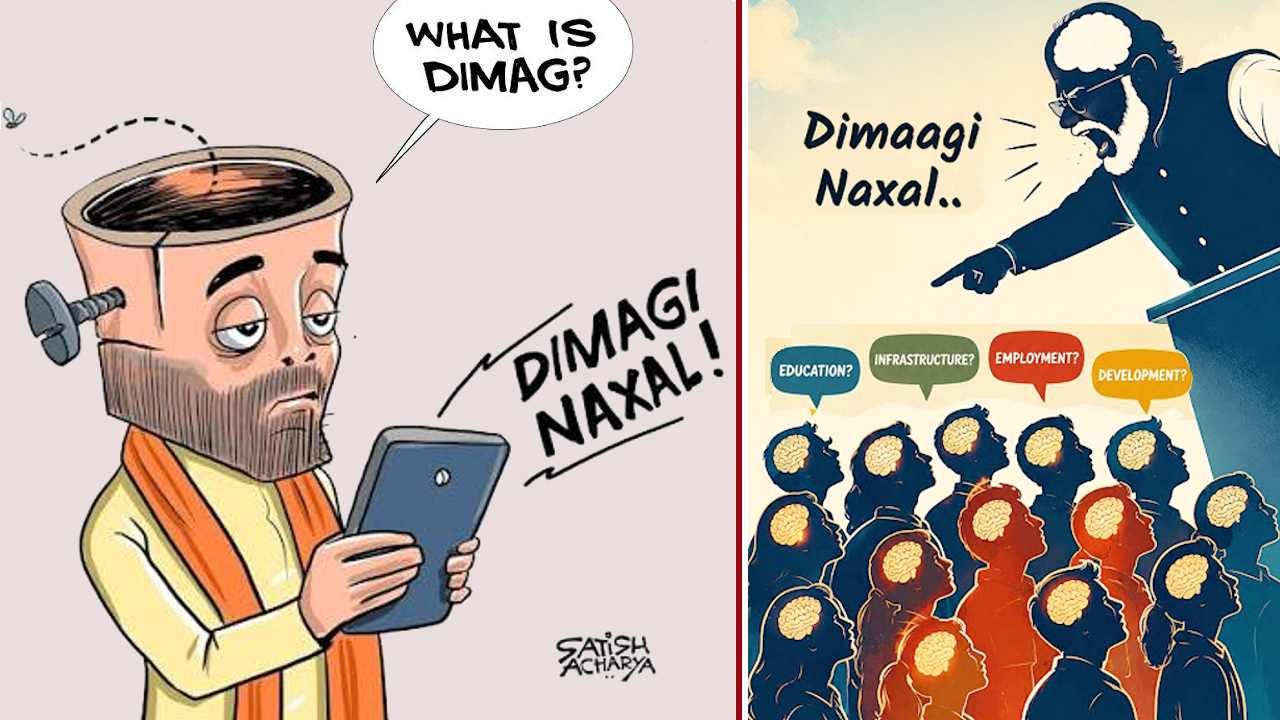
Instead of intimidating India's angry agitating youth, the Dimagi Naxal label evoked a response very similar to the 'cockroach' term. In no time we saw the digital appearance of a Dimagi Naxal Party with the motto "Think, Research, Resist" with citizens proudly flaunting the Dimagi Naxal label as a badge of honour. Even opposition leaders including senior Congress leader and UPA era Home Minister P Chidambaram, whose Operation Greenhunt campaign was the forerunner of Amit Shah's Operation Kagar, declared themselves Dimagi Naxals. It was the BJP which found itself cornered on the issue and forced to offer explanations. The more they tried to explain, the more they entangled themselves in their own web of fallacies.
The first attempt came from Kiren Rijiju who tried to explain the Dimagi Naxal label in the specific context of Article 370 and the alleged threat to disrupt life in the North East by blocking the Chicken Neck, the gateway to the North Eastern region of India. Then we had the RSS mouthpiece Organiser tracing the term back to the National Advisory Council of the UPA period. None of the NAC members had any association with the Naxalbari peasant uprising of 1967 or the revolutionary communist current that broadly became known as Naxalism, let alone the more militaristic trend that identified itself as Maoism. The problem evidently was not with the members of NAC and their track records, but with the rights-based welfare legislations advocated by the NAC and enacted during the UPA era.
Ram Madhav, the well-known ideological ambassador and political manager of the Sangh-BJP establishment, tells us there is no need to define the Dimagi Naxal. He turns it into a global phenomenon and manages to connect it ideologically and historically to a whole lot of well-known leaders of the international communist movement - from Mao and Che Guevara to Charu Mazumdar, Kanu Sanyal and Kanai Chatterjee in India and Pushp Kamal Dahal 'Prachanda' in Nepal. 'A certain amount of ambiguity ... is harmless and enjoyable', argues Ram Madhav. And this 'certain amount of ambiguity' becomes a recipe for sweeping witch hunt in the hands of the BJP IT Cell where an entire range of dissenters, from journalist Rajdeep Sardesai to teachers' movement leader Nandita Narain can be painted with the Dimagi Naxal brush.
There would have been little discussion over a term if it were really discussed in what Ram Madhav calls 'harmless and enjoyable' manner. In his Lal Qila address, Modi had talked about identifying and isolating Dimagi Naxals. The digital publicity campaign of various BJP handles has already unleashed a veritable blitzkrieg of memes and reels indicating a violent war to eliminate 'Dimagi Naxals'. And this violence is not confined to the digital mode, we have already seen its physical glimpses in the attack on Jadavpur University or assaults on the 'fix the school' campaign in West Bengal and Rajasthan. For a rattled government headed by a 'wounded strongman' ruler, Dimagi Naxal may well be a paranoid invocation of an anti-intelligentsia campaign of vigilantism, vandalism and violence.
The Jantar Mantar protests and the ongoing awakening and assertion of GenZ and Gen Alpha have signalled a major challenge to the Modi government and the Sangh brigade. Not limited to any region or specific social groups, this phenomenon has a broad geographical spread and social appeal across classes, cultures and generations. A rattled Modi regime is contemplating a multi pronged response, ranging from digital outreach campaigns and "one day, one university" ministerial assignments to Dimagi Naxal witch hunt. This is precisely when Mohan Bhagwat is trying his best to put up a liberal and inclusive facade in the course of his foreign trip to camouflage the hate-filled fascist agenda and aggression of the Sangh brigade in India. However, the people of India, the Indian diaspora and India watchers across the world have now enough experience of judging the RSS and the BJP not by their sugar-coated words but by the harsh experiences of facing the Sangh brigade in power for more than a decade at the Centre and for decades on end in states like Gujarat.