
1. Forcible Land Acquisitions and Corporate Land Grab
The Central Committee expresses strong opposition to the series of forcible land acquisitions and corporate land grab throughout the country under the Modi government. The present regime is undermining all legal safeguards won through powerful mass resistance in past decades including Social Impact Assessment, Gram Sabha consent, rehabilitation, resettlement, and fair compensation, environmental protections, etc and is attacking the livelihoods of farmers, agricultural workers, Adivasis, Dalits, and rural communities.
The proposed large-scale acquisition of thousands of acres of agricultural land in Bihar in the name of satellite cities, highways and real estate driven development must be opposed by the people to save the livelihoods of lakhs of people in the state.
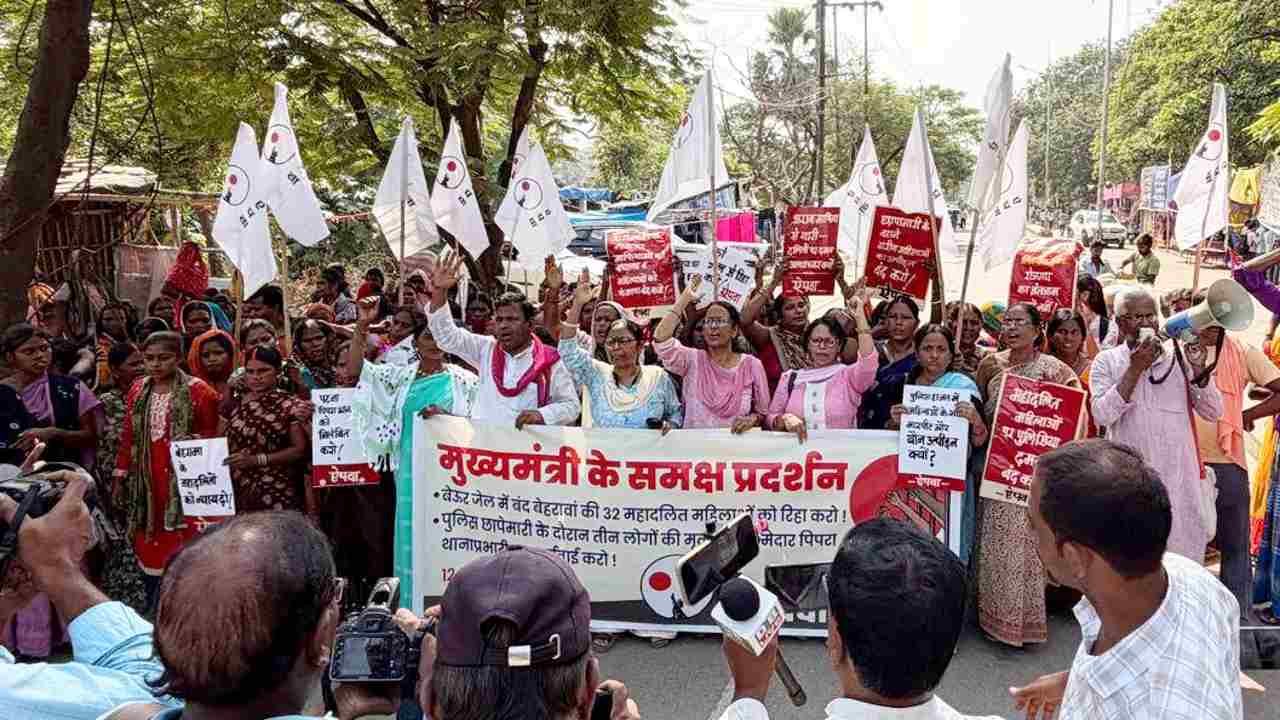
The adivasi community in the Sijimali region of Odisha are resisting the proposed bauxite mining project of Vedanta Limited. The state has deployed its machinery to suppress people's democratic resistance in order to facilitate corporate extraction of land, forests, and natural resources. Reports of police violence, arrests, intimidation, drone surveillance, fabricated consent manufacturing and the violation of protections guaranteed under the Forest Rights Act, PESA Act, and other constitutional safeguards represent a grave assault on the rights of Adivasi communities.
2. Irregularities, Corruption and Paper Leaks in Major Exams
The Central Committee raises serious concern over the repeated irregularities, corruption and paper leaks in major examinations, including NEET, CBSE Class XII results, SSC-GD, and CUET. These incidents have shattered the dreams of millions of students and exposed the government’s failure to ensure a fair, transparent, and credible examination system. At a time of increasing privatisation of education, reducing opportunities of dignified employment, repeated paper leaks, exam result controversies, and administrative lapses have created deep frustration among the youth. This house demands removal of Dharmendra Pradhan from the Education Ministry, scrapping of NTA, inquiry into the incidents of paper leak and strict action against those responsible. The future of Indian Youth can no longer be taken for granted.
3. SIR & the Erosion of the Constitutional Right to Vote
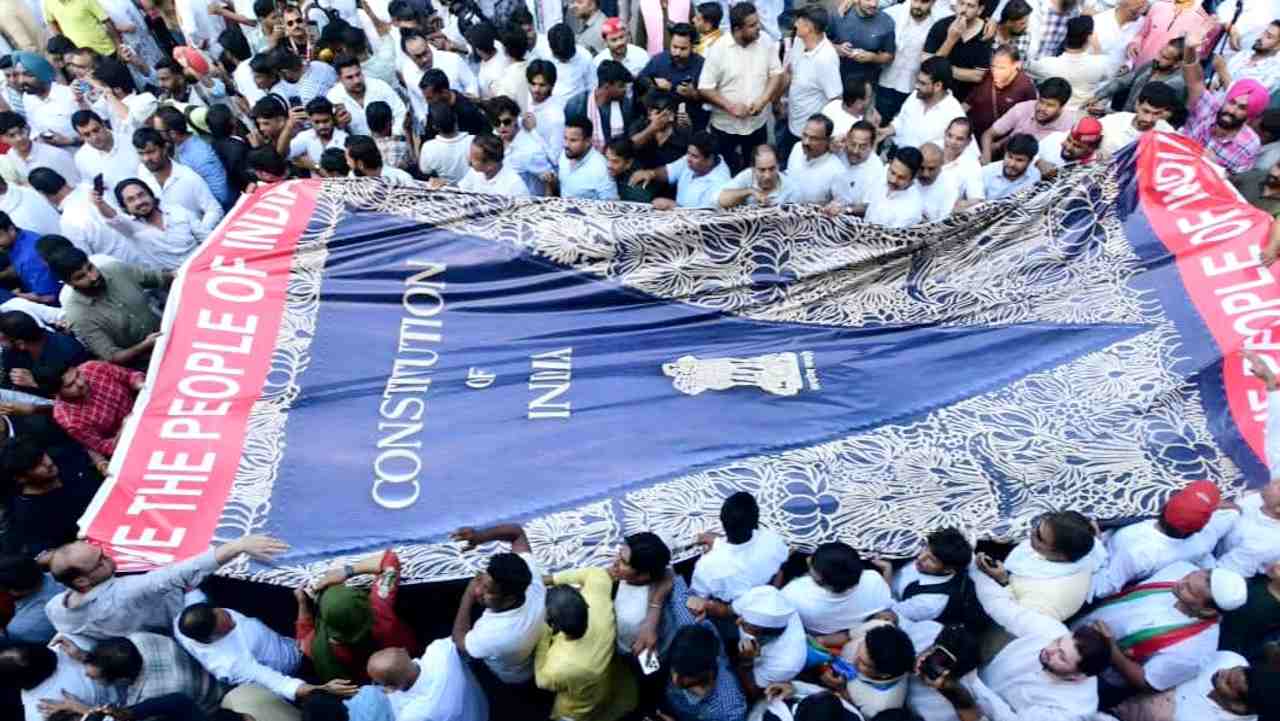
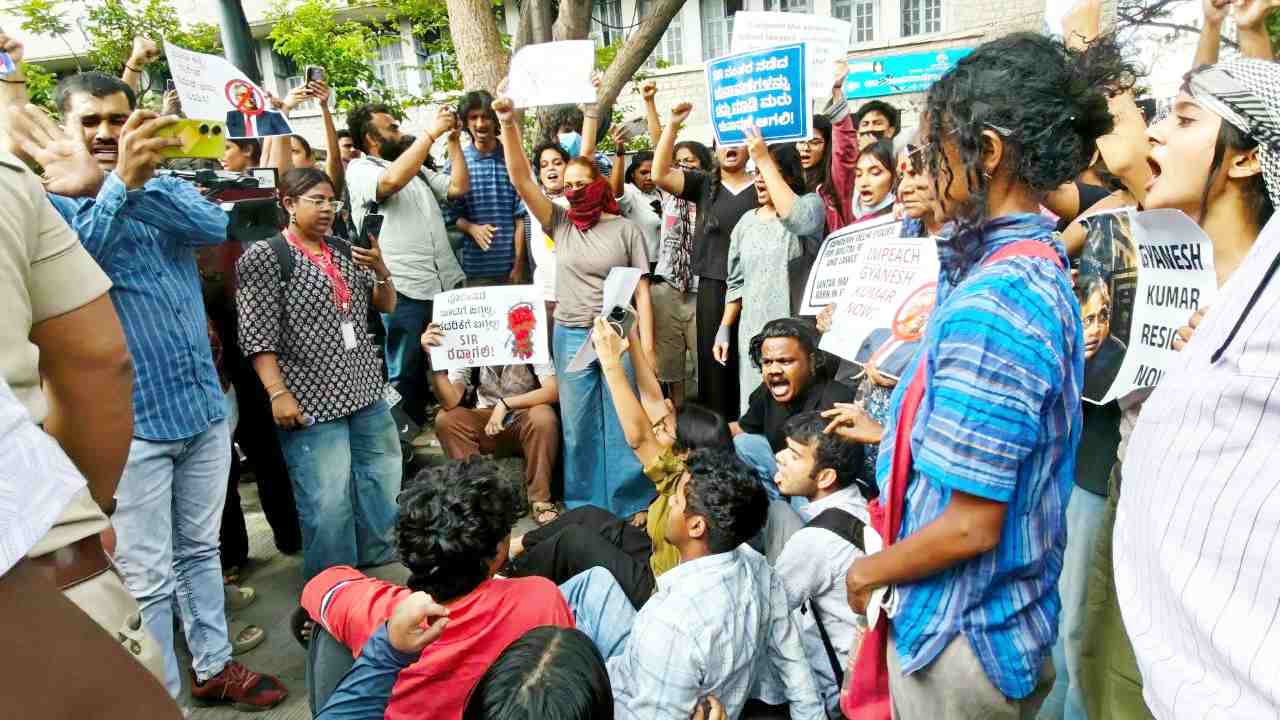
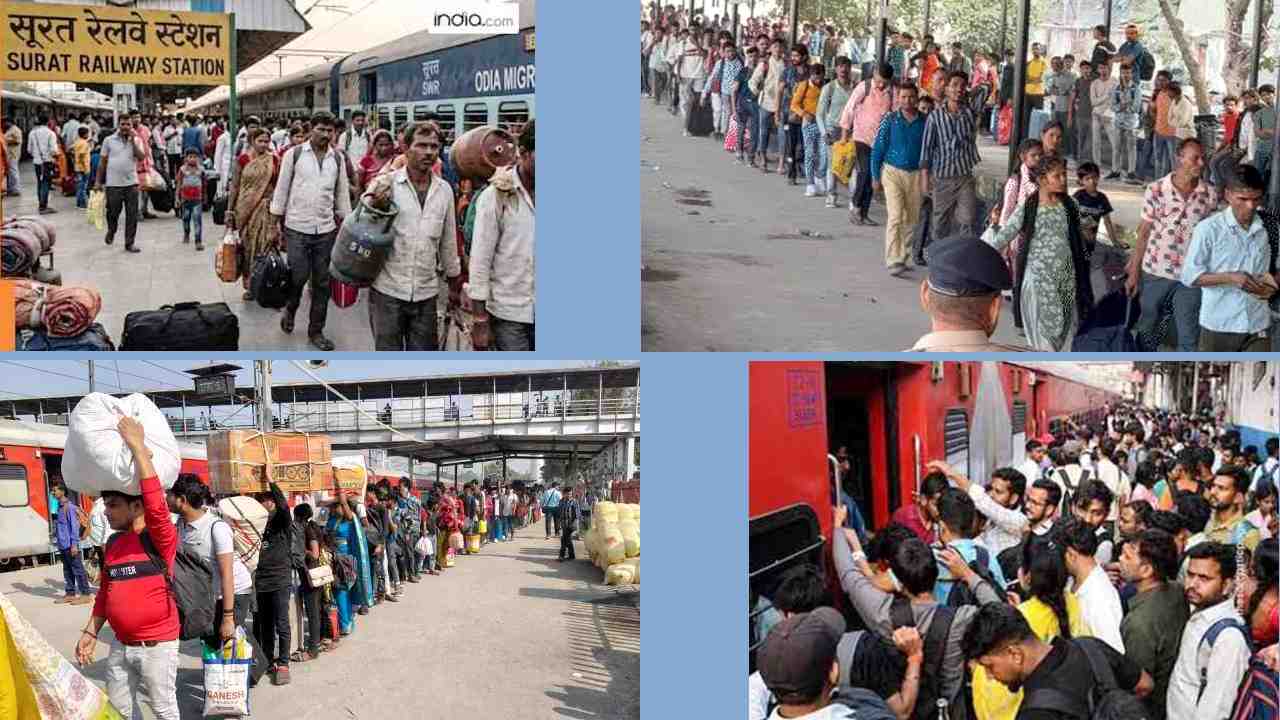
The Central Committee reiterates CPIML's deep concern over the Election Commission’s Special Intensive Revision (SIR) process, which has been used to remove large numbers of genuine voters from electoral rolls particularly targeting the poor, marginalized, migrant workers, Dalits, and majorly, Muslims. The BJP is increasingly relying on the manipulation of democratic institutions like the EC and electoral processes to ensure its electoral victory in face of growing disenchantment against the ruling regime. This systemic manipulation of the electoral rolls through SIR for electoral victory has first been observed in Bihar and now more aggressively in West Bengal. The way 'logical discrepancy' has been invented as a category to exclude millions of voters in West Bengal is truly unprecedented in independent India's history. The recent validation of the SIR process by the Supreme Court has further intensified concerns over the erosion of the constitutional right to vote of millions of Indians.
4. Military Aggression by the United States and Israel against Iran
The Central Committee strongly condemns the ongoing military aggression by the United States and Israel against Iran. We express our complete solidarity with Iran and its people in their brave resistance against this imperialist attack. The restricted traffic through the Strait of Hormuz as a consequence of this war is not only threatening regional peace but has also triggered a global crude oil and energy crisis, severely affecting countries like India. It is the Indian people and it's working class that is paying the price of US-Isarel's military aggression. This House expresses deep concern over the Modi government’s submissive foreign policy, which has repeatedly aligned itself with U.S.-Israeli strategic interests betraying India's long standing solidarity with Palestine and our historic relation with Iran. This House calls for an immediate end to US-Isarel's military aggression against Iran, respect for Iran’s sovereignty, and demands that the Indian government formulate foreign policy based on international justice, respect for sovereignty of countries and the interests of the Indian people.
5. Deepening Economic Crisis in India
The Central Committee expresses grave concern over the deepening economic crisis marked by a weakening rupee, rising inflation, growing pressure on foreign exchange reserves, increasing unemployment, and PM Modi's recent call to Indian people to follow austerity. This call is made in the wake of reduced supply of oil and gas due to ongoing war against Iran, to hide the already existing structural weaknesses in the Indian economy created by a regime of pro-corporate, anti-people economic policies, reckless privatization, and declining public investment. Now the burden of this crisis is being shifted onto ordinary citizens through rising prices, cuts in public expenditure. The CPIML demands a complete reversal of these corporate-driven policies, stronger public investment, protection of livelihoods, measures to control inflation, and an economic framework that prioritizes increase in income of workers, farmers and the Indian masses.
6. Historic Upsurge of Workers
The Central Committee expresses its unflinching solidarity with the historic upsurge of workers across Manesar, Gurugram, Noida and other industrial centers against massive exploitation and complete decimation of all working class rights in the country. The workers are fighting against low wages, unsafe working conditions, denial of working class rights, and increasing state repression.
The ongoing movement has also highlighted the deepening cost-of-living crisis and the widening gap between workers' earnings and the basic requirements of a dignified life. Despite long working hours and harsh conditions, millions of workers continue to survive on wages that are grossly inadequate to meet essential needs.
This house strongly condemns the arrests, intimidation, lathi-charges, false criminal cases, and other forms of repression unleashed against protesting workers and activists. We note with serious concern that an attempt to murder case has been filed against 17 workers in Manesar. While four workers have been granted bail following the intervention of AICCTU and other trade unions and their legal efforts, the remaining workers are still in jail. Hundreds of workers and activists arrested in connection with these protests also remain incarcerated in many states.
We demand immediate release of all arrested workers and activists, withdrawal of all fabricated cases against them and an end to police repression, intimidation, and criminalisation of workers' democratic struggles.
We also demand a statutory minimum wage of not less than Rs. 42,000 per month for all workers with regular revisions and protection of Trade Union rights and Right to Strike of the workers. Strict adherence to 8 hours of work with weekly day off must be implemented.
The Central Committee calls upon all democratic organisations, trade unions, intellectuals, students and citizens to extend active support to the workers' movement and demand an increase in wages and end of repression.
7. Institutionalisation of Discrimination Against Religious Minorities
The Central Committee expresses grave concern over the growing institutionalisation of discrimination against religious minorities through exclusionary laws, targeted state action, hate campaigns, economic boycotts, demolitions, vigilante violence and discriminatory administrative practices, creating conditions akin to an apartheid-like order that reduces sections of the population to second-class citizenship. Such majoritarian policies which undermine the constitutional principles of secularism, equality and equal citizenship, threaten democratic rights and social cohesion, and strengthen authoritarian rule must be opposed.
8. Erosion of the Independence and Impartiality of State Institutions
The Central Committee expresses grave concern over the growing erosion of the independence and impartiality of key institutions of the Indian State, including the judiciary, bureaucracy, police and security forces, and central agencies such as the ED and CBI. The increasing alignment of these institutions with the communal-corporate agenda of the Sangh Parivar and big capital undermines constitutional governance, democratic rights and the rule of law.
9. Build Popular Resistance against the Ongoing Bulldozer Raj
The Central Committee calls upon the broader masses to build up popular resistance against the ongoing bulldozer raj model of governance run by the Modi government. The growing use of bulldozers for demolitions and forced evictions across India, have become a serious threat to the livelihoods, right to house and dignity of the poor and working people.
Recent developments in West Bengal, where large-scale eviction drives have targeted hawkers and street vendors who have provided essential services to commuters for decades, are part of a broader pattern visible across the country. The BJP approached the Assam election riding on islamophobic bulldozer demolition. In Bihar too, bulldozer demolition has displaced thousands across Darbhanga, Patna, Samastipur and other places. In Delhi bulldozer demolition has become a regular occurrence displacing slum dwellers without any rehabilitation. Similar demolition drives have taken place in Assam and several other states. Such actions are almost always carried out in violation of established legal safeguards, including the requirement of prior notice and rehabilitation before eviction.
The bulldozer raj represents not only an attack on homes and livelihoods but also an erosion of the rule of law. In many instances, demolitions have been accompanied by communal narratives to divide the slum dwellers at the receiving end of the bulldozer.
This house also notes the brave resistance against the bulldozer governance from West Bengal to Bihar to Delhi and other places of the country. We demand an immediate halt to forced demolitions, rehabilitation before eviction, protection of livelihoods, and strict adherence to constitutional and legal safeguards.
10. BJP’s Vendetta Politics and Misuse of State Institutions Against Opposition
The Central Committee strongly condemns the BJP’s continuing politics of vendetta and misuse of state institutions against opposition leaders and parties. The recent ED raid on the residence of former Kerala Chief Minister Pinarayi Vijayan, followed by the attack on TMC MP Abhishek Banerjee during his visit to the family of a victim of post-poll violence in West Bengal, reflects a dangerous pattern of intimidation aimed at silencing political opponents. Instead of addressing the pressing concerns of the people, the ruling establishment is weaponizing investigative agencies and encouraging a climate of political hostility to weaken democratic opposition. CPIML demands an end to partisan use of state institutions, an autonomous procedure of appointments and transparency in functioning where those close to power and involved in corruption and crime are not set scot free.
11. Adani’s Capture of FCI Silo Contracts & Assault on Food Security
The Central Committee strongly condemns the removal of the 'Anti-Monopoly' clause to facilitate the handing over of Food Corporation of India (FCI) silo contracts to Adani Agri Logistics Ltd and Leap India Food & Logistics Pvt Ltd. The FCI had originally proposed an anti-monopoly clause to prevent any single company from dominating this strategically important project. However, the NITI Aayog and the Department of Economic Affairs reportedly compelled the removal of this clause in 2022. Subsequently, bidding resulted in these two companies securing contracts worth approximately ₹16,500 crore out of the programme's total value of ₹20,000 crore. Together, they now control 46.5 lakh metric tonnes (LMT) of the project's total 60 LMT storage capacity, amounting to 77.5% of the total planned capacity. The FCI was established on 1 January 1965 under the Food Corporations Act, 1964, enacted by Parliament to procure, store, transport and distribute foodgrains, support remunerative prices for farmers, and safeguard the country's food security and price stability. This backdoor privatisation and monopolisation of FCI's grain storage infrastructure constitutes a direct attack on India's food security and sovereignty and threatens to undermine the objectives and gains achieved through the Food Corporations Act, 1964.