
The CPI(ML) Liberation State Standing Committee meeting, held in Patna on October 24, decided to expand the ‘Fix Schools, Improve Education’ campaign to block and district levels and launch a statewide campaign on education, women’s rights, social justice and farmers’ issues to mark the bicentenary year of Mahatma Jyotiba Phule.
The meeting decided to launch the Phule bicentenary campaign with a major programme in Patna on November 29, bringing together teachers, intellectuals, social activists and representatives of various mass organisations.
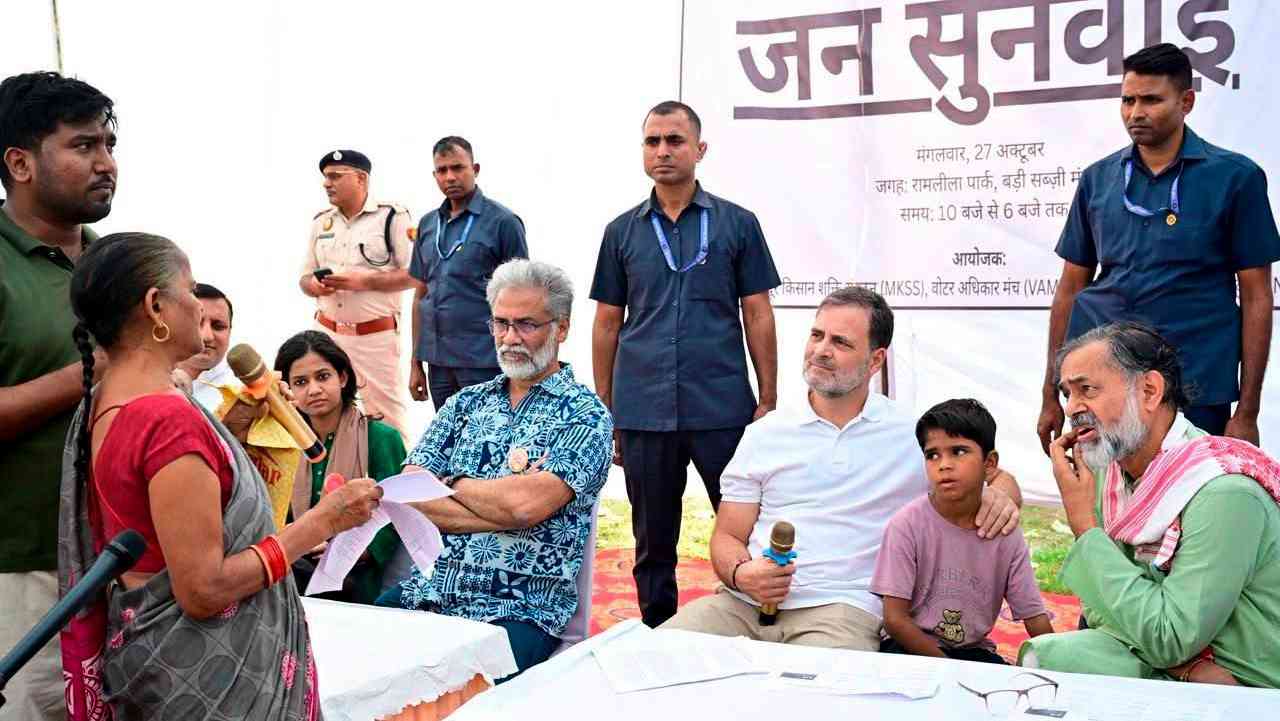
The meeting reviewed the ‘Fix Schools, Improve Education’ campaign, under which more than 1,000 schools across Bihar have been inspected. The findings will be published soon. The Party will organise public interactions at block and district levels to highlight the deteriorating condition of government schools, shortage of teachers, lack of basic facilities and other problems facing the education system. Students, parents, teachers, educationists and citizens will be involved in these interactions to build a broad-based movement for strengthening public education and ensuring quality education for all.
The meeting also discussed the growing attacks on Musahar settlements in different parts of Bihar and strongly condemned these incidents. It expressed serious concern over the failure to arrest those responsible despite repeated attacks. Musahar settlements in Gaya, Patna, Siwan, Nawada and several other districts have come under attack, raising serious questions about the administration’s responsibility to protect poor and marginalised communities.
The meeting demanded the immediate arrest of those involved in all these attacks and concrete measures to ensure the safety of the Musahar community. CPI(ML) Liberation and the All India Agricultural and Rural Labour Association (AIARLA) will launch a special campaign in Musahar settlements, raising issues of security, dignity, rights and the problems faced by the community.
The meeting discussed the current political situation in Bihar, the education system, social justice, women’s rights, farmers’ issues and the growing attacks on Dalits and the rural poor. It resolved to build broad-based mass movements on these questions through public engagement and participation.