
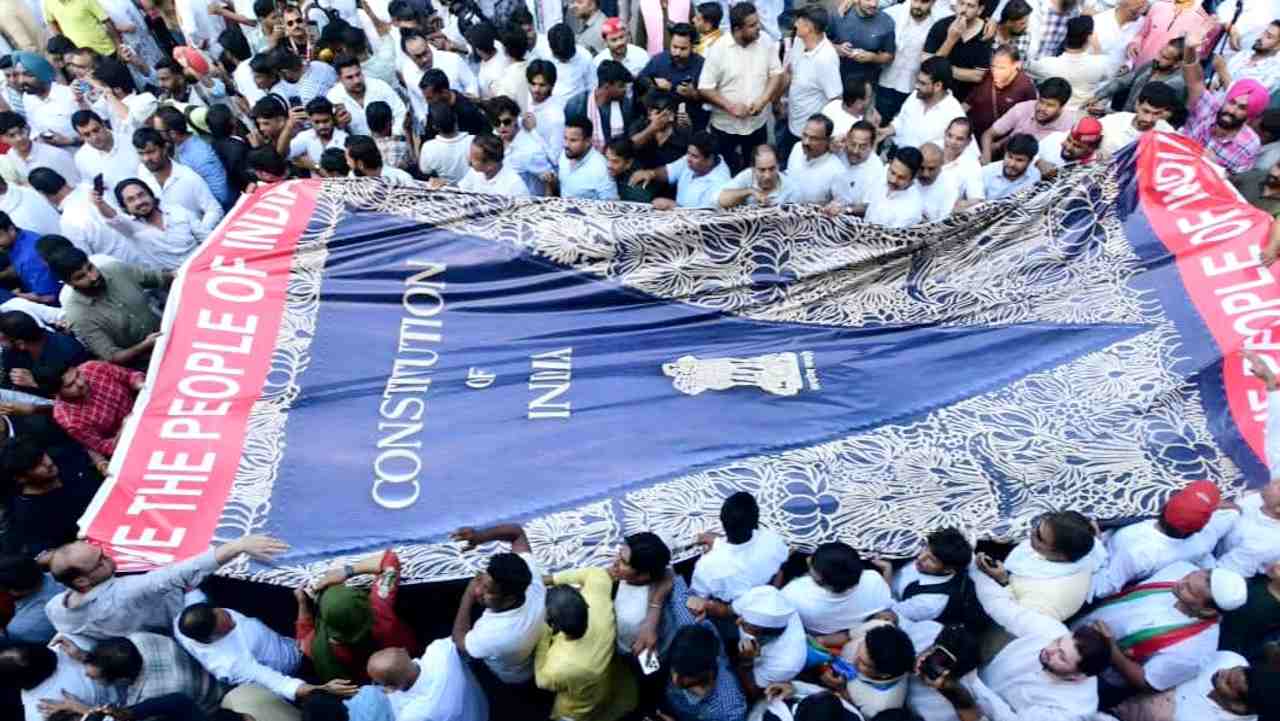
The protests against disenfranchisement and electoral fraud that had started since the launch of SIR in Bihar on 25 June 2025 and gathered renewed momentum after the Indian Express investigative report about the EC's internal functioning in September 2026 have now reached a decisive phase. Defying the sealing of Jantar Mantar, closing of metro stations, unprecedented deployment of security forces and vicious violence meted out by police, paramilitary forces and state-sponsored goon squads, since September 25 Delhi has been relentless in raising the demand for resignation of Gyanesh Kumar, scrapping of SIR and repeal of the 2023 Election Commissioners Appointment Act that has robbed the ECI of its autonomy and accountability. During this period the Supreme Court exposed the EC's lie about changes made in Form 6 and cautioned the government against unleashing heavy handed repression on peaceful protests. While the government still refuses to mend its ways, the protests reached a crescendo in Delhi on 12 October when thousands marched from the Constitution Club to the Supreme Court.
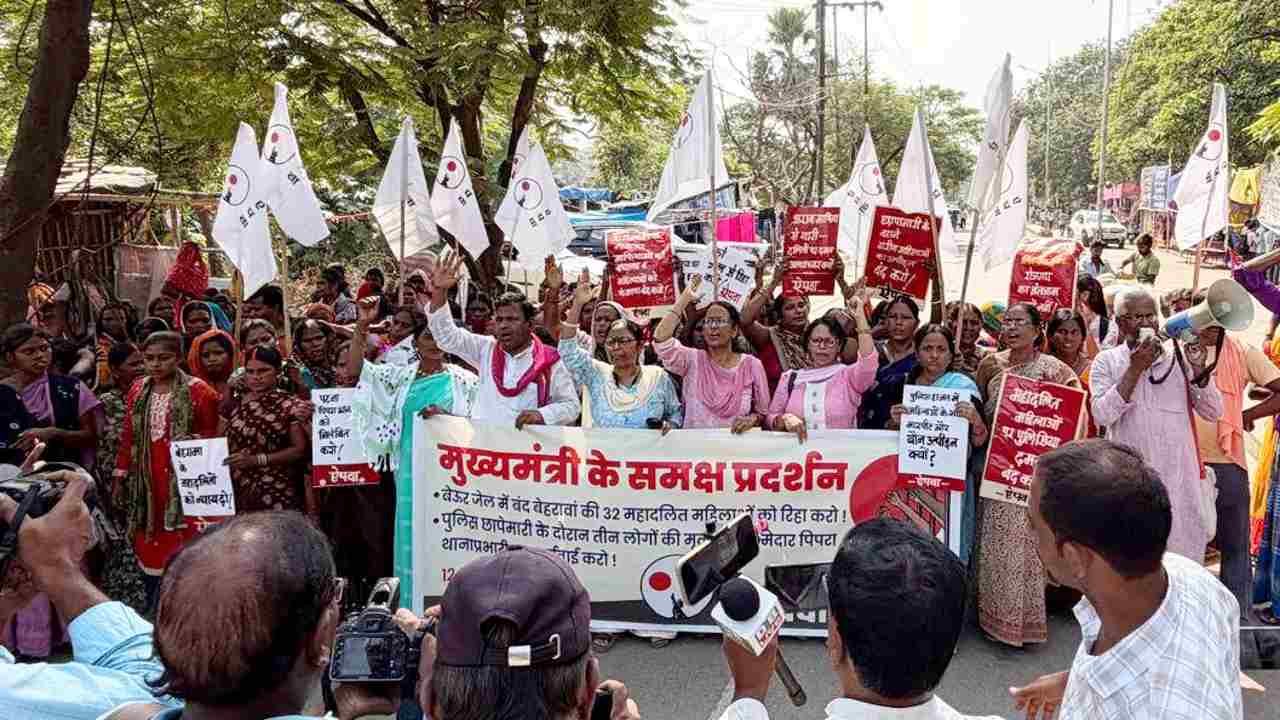
The 12 October march in Delhi signalled glimpses of hitherto untapped potential of a united mass awakening against the fascist Modi-Shah regime. In 2019-20 when Delhi saw the remarkable Shaheen Bagh protests against discriminatory amendments in the citizenship law, it remained predominantly a civil society affair with the non-Left opposition mostly staying away. When the farmers' movement began in the end of November 2020, Delhi responded in a bigger way, but once again the non-Left opposition stayed away. Early this year we saw the eruption of unprecedented workers' protests around Delhi against the backdrop of the Iran war and massive hike in the prices of cooking gas, but there was little social support for the plight and protests of the workers.
Then came the Jantar Mantar protests of June and July. The demand for the resignation of education minister Dharmendra Pradhan became a rallying point for the larger student community and struck a massive chord with the entire youth. Large sections of the Left student movement and progressive civil society led and nurtured the protests, but major sections of the INDIA bloc remained somewhat aloof from the protests. It was the brutal crackdown of July 20 which triggered a bigger countrywide upheaval with more and more parties getting directly involved and the regime has no other way but to dump Dharmendra Pradhan. The cumulative experience of the SIR assault and the growing lack of credibility of the ECI, especially of CEC Gyanesh Kumar have now brought the country to the point of a decisive showdown with the system for immediate removal of Gyanesh Kumar. And this time round, the broader political opposition, the civil society and the people's movement on the ground all seem to be converging.
How is the system responding to this juncture? It is increasingly using brute force, but on 12 October when people came out in such large numbers, the police had to take a step back and allow the march to happen. But at the same time the Police Commissioner of Delhi issued an order denotifying Jantar Mantar as a designated protest site and notifying new protest sites that are miles away from the heart of the city. Of course Ramlila Ground will still be available, but half the time it anyway remains booked for religious functions and other festivities. For the remaining quarter of 2026 it is available reportedly only for December 29, 30, 31 at a daily fee of Rs 1.21 lakh. There can be no going back on free sites like Jantar Mantar for peaceful public protests. Meanwhile, the Supreme Court advice against using disproportionate force and respecting the constitutional right to peaceful protest has so far been treated with utter disdain by the Delhi Police. A contempt petition is now before the Supreme Court and it remains to be seen how serious the apex court is about getting its own orders upheld.
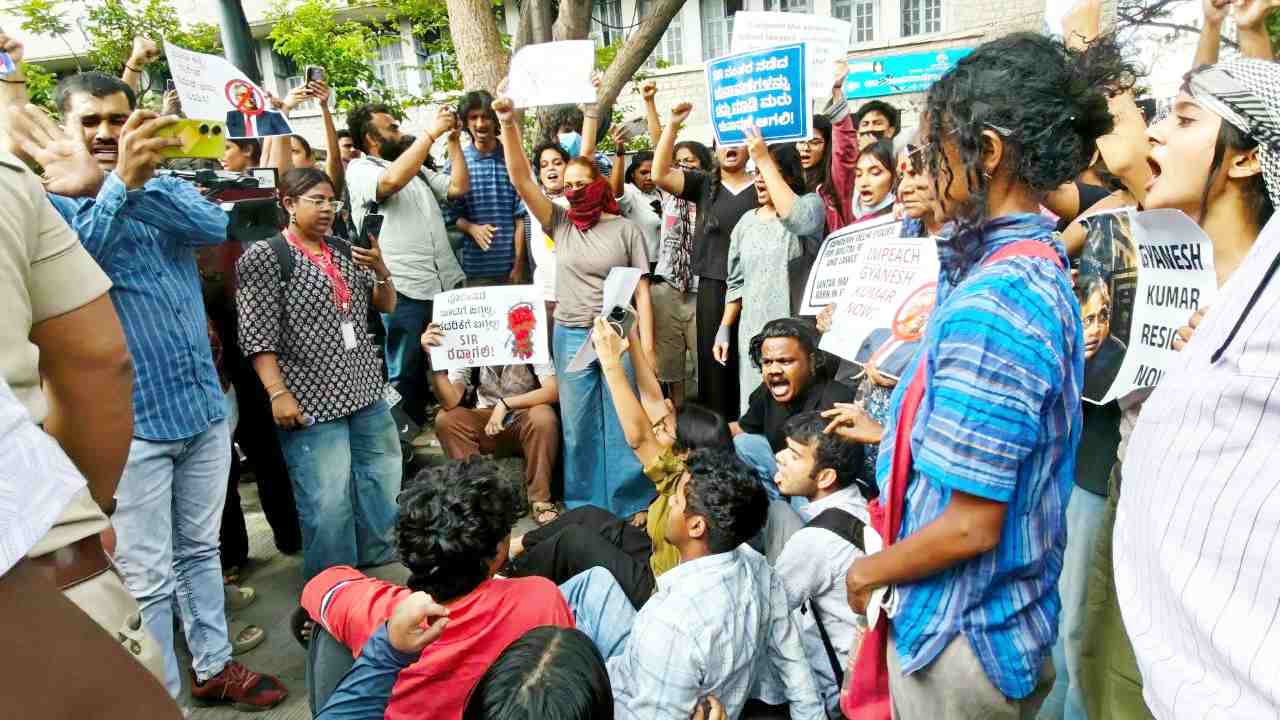
The other response is coming from the Election Commission of India. Circulars have been issued almost in all SIR-bound and post-SIR states regarding inclusion of excluded voters. The CEO of Delhi announced the resolution of around 20 lakh out of 33 lakh 'disputed' cases and asked Delhi voters 'to feel free to contact any of the 14,947 BLOs, 902 AEROs, 70 EROs, 13 DEOs or the CEO' for redressal of grievances. Similar circulars are being issued in almost all states. This is however too little, too late. It does not answer any of the questions concerning unwarranted centralisation of powers within the ECI, wrongful targeted exclusion of voters and the impact of such exclusion, both in immediate electoral terms and in terms of loss of rights and security of every affected voter. While the systemic assault emerges from the fascist agenda of the RSS and the BJP, it encompasses even states where the BJP may be currently out of power. On a day the people of Delhi seemed to be reclaiming their streets and reasserting their right to peaceful protest, "My Vote, My Right" campaigners in Bengaluru were being subjected to brutal police repression and humiliation.
The message of October 12 for 'we, the people of India' is therefore loud and clear. Like the July 20 parliament march, the October 12 Supreme Court march has also pushed the regime back, but for a decisive defeat of the fascist design we will need to deliver many more such blows and demonstrate still bigger unity and power of resistance. More power to the people, more victories to their united and determined struggles!