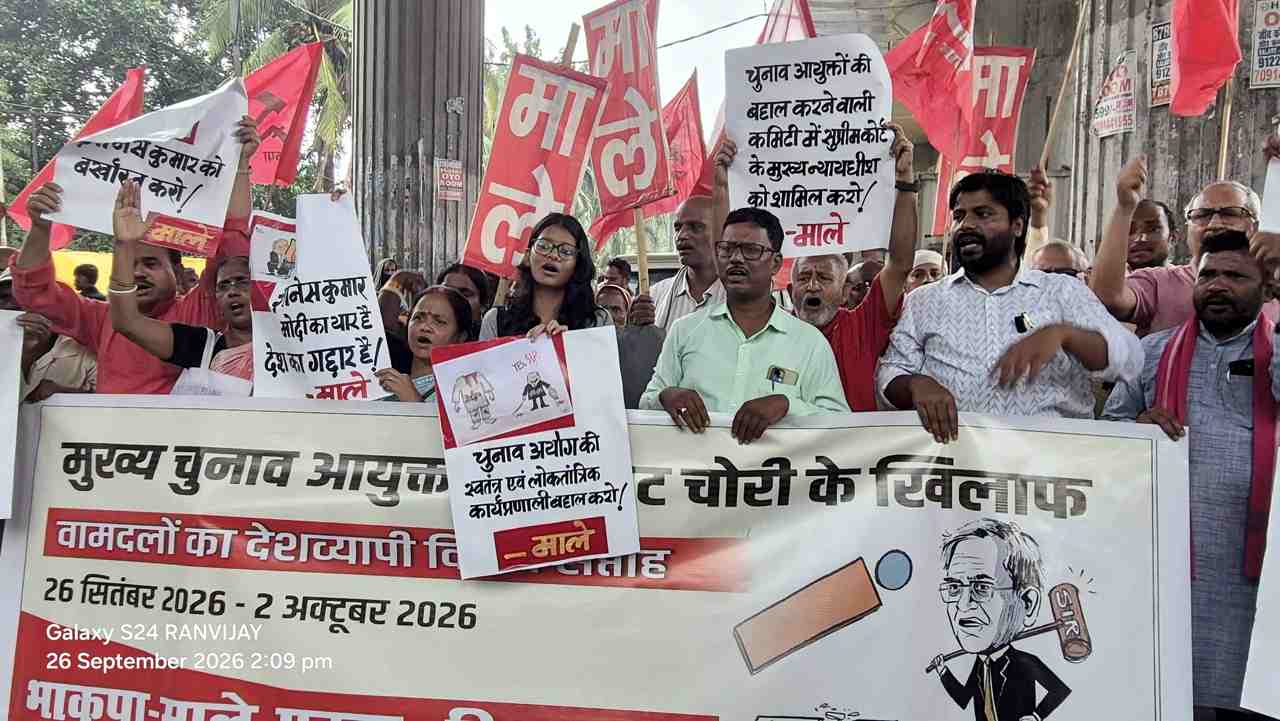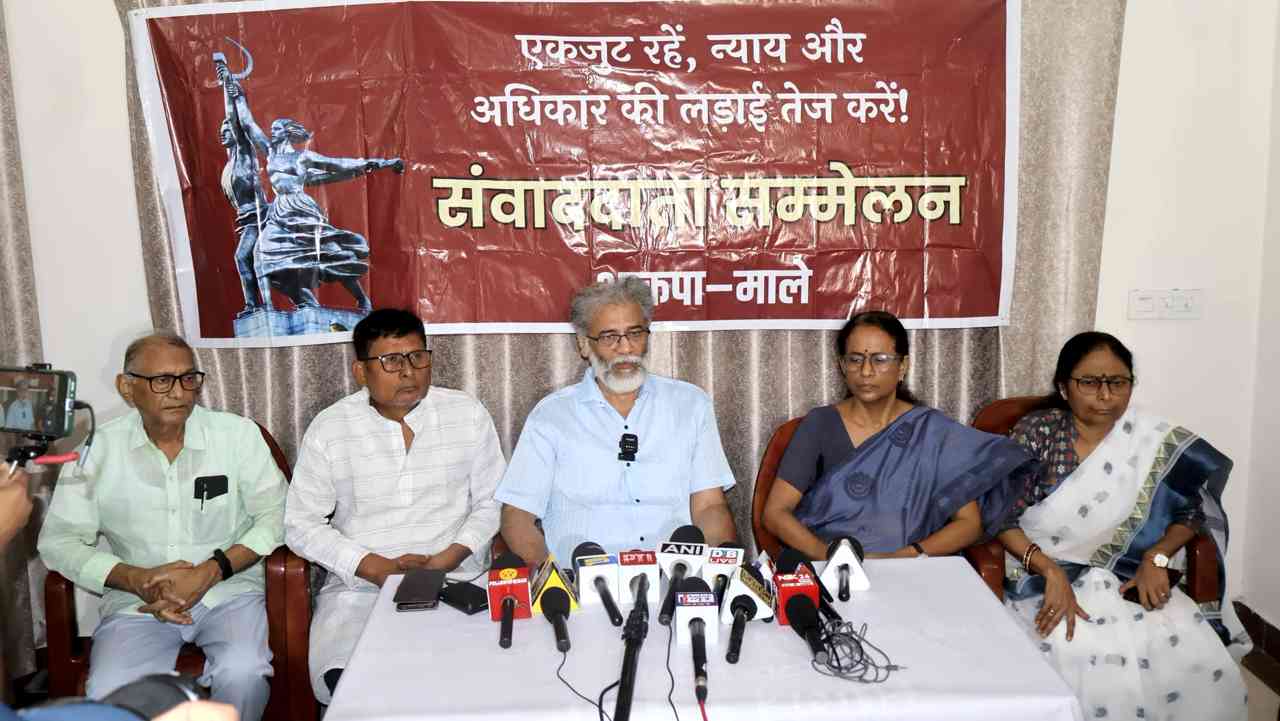


Street vendors' organisations across Bengaluru have called for a city-wide Street Vending Bandh and Mass Protest on July 8, condemning the Karnataka government's ongoing eviction drive as an illegal assault on the livelihoods and dignity of nearly 1.5 lakh street vendors.
Issuing a joint press statement under the banner of the Street Vendors Joint Committee Campaign, seven organisations representing street vendors condemned the state government and civic authorities of carrying out forcible evictions in blatant violation of the Street Vendors (Protection of Livelihood and Regulation of Street Vending) Act, 2014, as well as repeated Supreme Court rulings recognising street vending as a fundamental right.
The organisations said that following a verbal directive by the Bengaluru Urban Development Minister declaring that vendors have "no place on the city's main roads", officials launched demolition drives using JCB machines, destroying pushcarts, damaging goods, confiscating vending equipment and forcibly evicting vendors without notice. They said the action has deprived thousands of poor families of their only source of livelihood.
Condemning the eviction drive, Clifton D'Rozario, Karnataka State Secretary of CPI(ML) Liberation, said the government was "mercilessly bulldozing the legally protected right to livelihood of street vendors while elite encroachments continue to enjoy complete impunity." He termed the drive an unlawful and inhuman assault on the urban poor, carried out without any alternative rehabilitation or vending arrangements. "The State wants the poor to fight the poor, pitting pedestrians against street vendors instead of addressing the real encroachments and failures of urban planning," he said, demanding an immediate halt to the evictions and full implementation of the Street Vendors Act, 2014.
The statement by the Joint Committee Campaign noted that although around 80,000 vendors received loans under the PM-SVANIDHI scheme, the official survey conducted between October 2024 and February 2025 identified only around 34,000 vendors, excluding tens of thousands from legal recognition. Many eligible vendors, it said, have still not been issued certificates or identity cards, making them vulnerable to arbitrary eviction.
Questioning the government's justification for the drive, the organisations asked why street vendors are being removed while illegal parking of private vehicles continues to occupy public roads. They also questioned why vendors are being directed to shift to narrow side streets without any legal process or alternative arrangements. The statement said that the minister isignoring the implementation of the Street Vendors Act since assuming office and of treating verbal announcements as legal notices.
The Joint Committee argued that the present eviction campaign violates multiple provisions of the Street Vendors Act. It pointed out that Section 3(3) prohibits eviction until the survey is completed and certificates of vending are issued to all eligible vendors. Section 18 requires recommendations of the Town Vending Committee before any area can be declared a no-vending zone and mandates suitable alternative arrangements. Section 18(3) requires a written notice of at least 30 days before eviction. However, vendors in localities including Jayanagar, Vijayanagar, Marathahalli, Malleshwaram and Rajarajeshwari Nagar have reportedly been evicted without any written notice. The organisations further noted that goods and vehicles have been seized without receipts or seizure lists, contrary to Section 19 of the Act.
The statement also challenged the government's narrative that street vendors are responsible for obstructing public movement. It identified illegal parking of cars and two-wheelers, encroachment of footpaths by commercial establishments and private gardens, construction material dumped by builders, and poorly planned urban infrastructure as the real causes of obstruction. Street vendors, it said, occupy only limited public space while providing vital services and have become the easiest targets because they are poor.
The Joint Committee has demanded immediate restoration of vending rights to all evicted vendors at their original locations, return of all confiscated goods and vehicles, and full implementation of the Street Vendors Act. It has also called for a fresh comprehensive survey, issuance of identity cards to all eligible vendors, strengthening of Town Vending Committees with genuine representation of vendors, widening of footpaths to accommodate both pedestrians and vendors, action against illegal encroachments by private interests, and immediate negotiations with representatives of street vendors' organisations.
Calling the eviction campaign an anti-poor and unlawful exercise, the organisations appealed to the people of Bengaluru to support the July 8 bandh and protest in defence of the constitutional and legal rights of street vendors.